
Osseous Surgery Braintree Duxbury Hingham Norwood
Careful Treatment for Moderate to Severe Gum Disease

Whenever possible, our team favors non-invasive and minimally invasive ways to treat gum disease. In certain cases, though, we perform osseous surgery. This procedure is a method that is used to address moderate to severe gum disease; it can get rid of harmful bacteria and create a healthier oral environment. What is it, and what does it involve? Continue reading below to find out, or contact one of our offices in Braintree, Duxbury, Hingham, or Norwood to ask questions.
What Is Osseous Surgery?
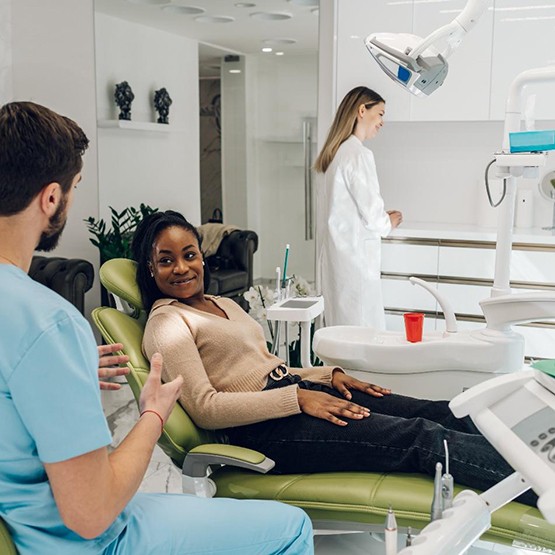
The goal of osseous surgery is to remove harmful bacteria from the pockets between the teeth and gums. It also involves reshaping the bone in a way that makes it more difficult for bacteria to accumulate and easier for you to clean. (This is where the name of the surgery comes from. “Osseous” is a descriptor for anything that consists of or is related to bones.)
Excellent homecare following your procedure is essential to maintaining long-term periodontal health. While osseous surgery is an effective way to address certain cases of moderate to severe gum disease, it is important to note that it is not our preferred choice in most situations. Whenever appropriate, we recommend laser therapy, which is less invasive, preserves more healthy tissue and is highly effective at eliminating harmful bacteria.
How Does Osseous Surgery Work?
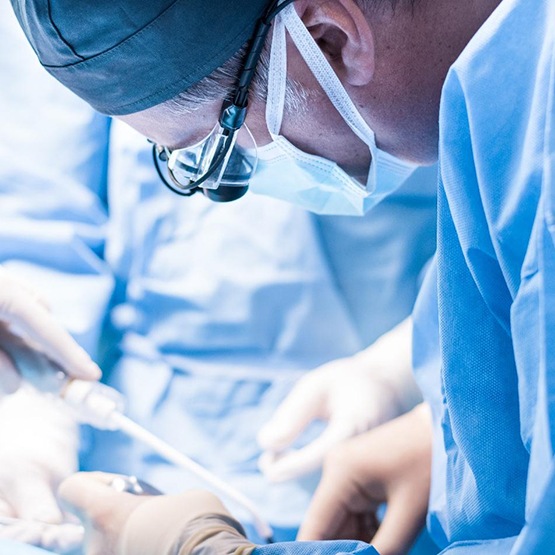
Before your procedure begins, your comfort is our top priority. Local anesthesia is used to thoroughly numb the area and minimize discomfort. If you feel anxious or have increased sensitivity, sedation options may also be available to help you remain relaxed throughout treatment.
During treatment, a scalpel is used to make an incision and the gums are gently lifted to allow access to the tooth roots and underlying bone. The area is thoroughly cleaned, and the bone may be smoothed or reshaped to support healthier gum attachment. Once complete, the gums are placed back into position and secured with sutures to promote proper healing. This approach helps create a healthier foundation that makes daily oral hygiene easier and supports long-term periodontal health.
The Benefits of Osseous Surgery

When recommended by your periodontist, osseous surgery provides multiple benefits that support long-term periodontal health:
- Effective Removal of Bacteria: Osseous surgery thoroughly eliminates harmful bacteria from periodontal pockets, which helps reduce infection and inflammation.
- Improved Oral Health: By reshaping the bone and cleaning tooth roots, the procedure creates a healthier oral environment and supports long-term gum stability.
- Reduced Pocket Depths: By minimizing the spaces where bacteria can accumulate, osseous surgery lowers the risk of future gum disease progression.
- Preservation of Natural Teeth: The surgery may slow or prevent additional bone deterioration, preserving the foundation for your natural teeth.
- Makes Daily Oral Hygiene Easier: As the gums heal and pockets become shallower, brushing and flossing are more effective, helping patients maintain healthier gums with routine home care.
- Enhanced Tissue Regeneration: Use of bone grafts or regenerative membranes can promote the growth of new, healthy tissue where loss has occurred.
Would you like to learn more about osseous surgery? Our team would be pleased to answer your questions! Contact any of our locations today to set up a consultation.